
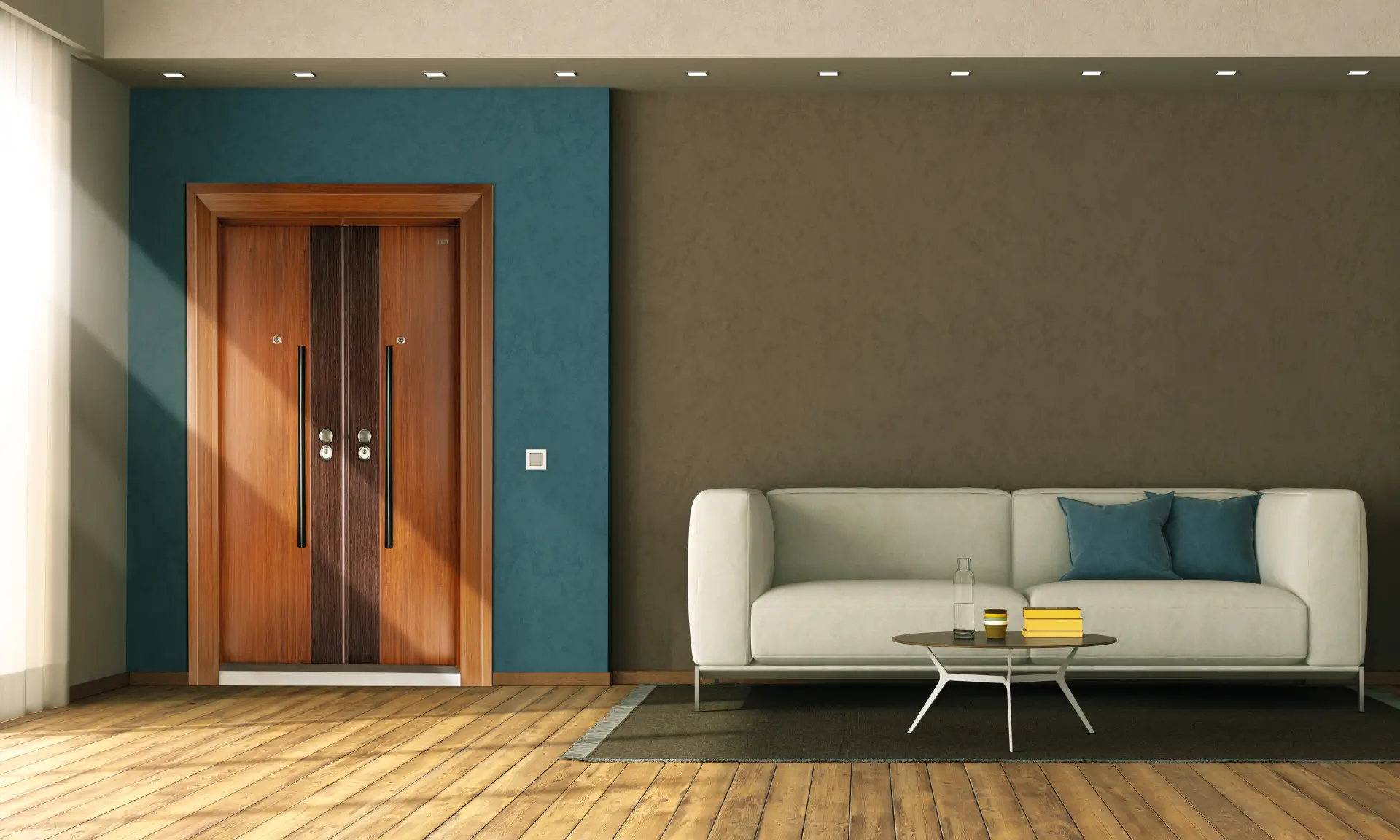
Steel doors are known for their strength, security, and long-lasting performance. Compared to traditional wooden doors, they require very little maintenance and can withstand everyday wear, changing weather conditions, and moisture more effectively. However, like any exterior or interior fixture, regular care helps keep a steel door looking its best and working smoothly.
A few simple maintenance habits can protect the door’s finish, reduce the chances of corrosion, and extend the life of hinges, locks, and other hardware. Whether your steel door is installed at the entrance of a home, apartment, office, or commercial building, proper care will help maintain both its appearance and performance for years.
This guide explains how to clean and maintain a steel door, what to avoid during cleaning, and a few practical tips to keep it in excellent condition.
Why Regular Steel Door Maintenance Matters
Modern steel doors, especially those made from Galvalume (GL) or Galvanized (GI) steel, are designed to resist corrosion, moisture, and everyday wear. While they require much less maintenance than wooden doors, regular cleaning offers several benefits.
Routine maintenance helps:
- Keep the surface clean and attractive
- Prevent dirt and moisture from building up
- Protect the door’s finish
- Extend the life of hinges and locking systems
- Reduce the risk of scratches and surface damage
- Ensure the door continues to operate smoothly
Spending just a few minutes on regular maintenance can help your steel door stay in excellent condition for many years.
What Makes Galvalume Steel Doors Low Maintenance?
Galvalume steel doors are manufactured using steel coated with a combination of aluminium and zinc. This protective coating improves resistance to corrosion and makes the door suitable for different weather conditions.
Some of the advantages of Galvalume steel doors include:
- Excellent corrosion resistance
- Better protection against moisture
- Resistance to termites
- Long-lasting durability
- Modern and premium appearance
- Minimal maintenance requirements
These qualities make them a popular choice for homes, villas, apartments, offices, and commercial buildings across India.
How to Clean a Steel Door
Cleaning a steel door is simple and does not require expensive products. Using the right cleaning method helps preserve the protective finish and keeps the surface looking new.
Step 1: Remove Dust
Start by removing loose dust and dirt with a soft, dry microfiber cloth or a feather duster. Pay attention to corners, edges, grooves, and joints where dust can collect over time. For hard-to-reach areas, use a soft brush or a vacuum cleaner with a brush attachment.
Step 2: Wipe the Surface
If the door has fingerprints, light stains, or dirt marks, wipe the surface using a soft cloth dampened with clean water or a mild soap solution. Avoid using excessive water. The cloth should be damp, not soaking wet. Always wipe gently to avoid damaging the finish.
Step 3: Dry the Door
After cleaning, wipe the door completely dry with a clean, soft cloth. If the door becomes wet during heavy rain, dry it as soon as possible. Although steel doors are designed to resist moisture, leaving water on the surface for long periods is not recommended.
Step 4: Clean the Hardware
Dust can collect around hinges, locks, handles, and multi-point locking systems. Use a soft cloth or brush to clean these areas carefully. Keeping the hardware clean helps ensure smooth operation and reduces unnecessary wear.
Steel Door Maintenance Tips
Cleaning is only one part of maintaining a steel door. Regular inspection and simple maintenance can help improve its lifespan.
Lubricate Hinges and Locks
Apply a small amount of light machine oil to the hinges once or twice a year to keep them operating smoothly.
For locks and key cylinders, use silica powder or another suitable dry lubricant. Avoid applying grease or thick oil inside the lock, as it can attract dust.
Check the Door Alignment
Open and close the door occasionally to ensure it moves smoothly.
Look for:
- Difficulty while closing
- Uneven gaps around the frame
- Loose hinges
- Misaligned locks
If you notice any issues, have them adjusted before they become more serious.
Inspect the Surface
Check the door every few months for:
- Scratches
- Rust spots
- Damaged paint
- Worn rubber seals
Small scratches or damaged areas should be repaired promptly to help maintain the protective coating.
Keep the Door Dry
In areas with heavy rainfall or high humidity, wipe away excess moisture whenever possible. Keeping the surface clean and dry helps maintain the finish over time.
What to Avoid When Cleaning Steel Doors
Using the wrong cleaning products can damage the protective coating and reduce the life of your steel door.
Avoid using:
- Harsh chemical cleaners
- Acidic cleaning solutions
- Bleach-based products
- Steel wool or metal brushes
- Abrasive scrub pads
- Strong solvents
- Dirty floor-cleaning cloths
Also avoid contact with substances such as floor cleaning chemicals, acids, or pet urine, as they may damage the surface and lead to corrosion over time.
Steel Door vs Wooden Door: Which Requires Less Maintenance?
One of the biggest advantages of steel doors is their low maintenance requirements.
| Feature | Steel Door | Wooden Door |
| Maintenance | Low | Moderate to High |
| Moisture Resistance | Excellent | Can absorb moisture and warp |
| Termite Resistance | Yes | No |
| Corrosion Resistance | High (GL/GI doors) | Not applicable |
| Durability | Long-lasting | Depends on maintenance |
| Fire Resistance | Better | Lower |
| Surface Care | Simple cleaning | Regular polishing or painting may be needed |
While wooden doors often require polishing, repainting, or termite treatment over time, steel doors generally need only regular cleaning and occasional maintenance. If you’re comparing both options for your home, read our detailed guide on steel doors vs wooden doors to understand the differences in maintenance, durability, security, and long-term value.
Why Choose i-Leaf Steel Doors?
Choosing a quality steel door is just as important as maintaining it.
i-Leaf Doors manufactures Galvalume (GL), Galvanized (GI), and Cast Aluminium doors designed for long-term durability and everyday use. Built with quality materials and corrosion-resistant finishes, these doors are suitable for homes, apartments, villas, offices, and commercial spaces.
With proper installation and routine care, i-Leaf steel doors are designed to deliver reliable performance while maintaining their appearance for years.
Conclusion
Steel doors are built to last, but a little maintenance goes a long way. Regular dusting, gentle cleaning, and periodic inspection help protect the finish, keep the hardware working smoothly, and extend the life of the door.
Compared to traditional wooden doors, steel doors require less maintenance while offering better resistance to moisture, termites, and everyday wear. By following these simple cleaning and maintenance practices, you can keep your steel door looking attractive and functioning reliably for many years.
Frequently Asked Questions
Use a soft microfiber cloth to remove dust. For light stains, wipe the surface with a damp cloth and mild soap solution, then dry it immediately with a clean cloth.
For most homes, cleaning the door once every few weeks is enough. Doors exposed to dust, rain, or coastal conditions may need more frequent cleaning.
Galvalume steel doors are coated with aluminium and zinc, which provide excellent corrosion resistance. With proper maintenance, they are highly resistant to rust under normal conditions.
A dry lubricant such as silica powder is recommended for locks and key cylinders. Hinges can be lubricated with a small amount of light machine oil once or twice a year.
Yes. Steel doors generally require less maintenance than wooden doors. They do not need regular polishing or termite treatment and are more resistant to moisture and everyday wear.